Charleston is hard on windshields. Between salty sea air, summer heat, sudden storms, and the fine grit that rides coastal winds, glass takes a beating here. I have sat in more driveways and shop bays than I can count, watching technicians coax stubborn urethane from frames and calibrate modern safety systems after a simple glass swap. Some repairs are straightforward, others feel like surgery. The shop you choose determines which experience you get.
This guide walks you through the practical differences that matter in the Lowcountry: repair versus replacement, mobile convenience versus shop control, and when ADAS calibration is non-negotiable. I will also share questions I ask when sizing up a provider, plus a few local realities that shape good decisions about auto glass Charleston SC drivers make every week.
Why the right shop matters more than it used to
If your last glass job happened a decade ago, you might remember a quick swap, a handshake, and a roll of blue tape on the roof. Today’s cars integrate sensors, cameras, antennas, defrosters, and acoustic layers into the glass itself. A small mistake can snowball into headaches you will not see until a storm or a highway trip reveals them.
The domino effect looks like this: a sloppy adhesive bead creates a tiny channel, the first heavy rain pushes water behind trim, then a week later your passenger footwell smells damp. Or a windshield camera sits half a degree off after replacement, and your forward collision warning starts shadow braking on the Ravenel Bridge. That is why choosing well is not a luxury, it is preventive care.
First decision: repair or replace
A good shop starts with the least invasive fix. If you are weighing windshield repair Charleston SC drivers should know that our heat and humidity influence what can be salvaged. When the morning sun hits a chip, the glass expands and stresses spiderweb outward, so time matters.
Most credible technicians follow a practical threshold. If the damage is a small bullseye or star less than a quarter in diameter, outside the driver’s primary view, and with no cracks reaching the edge, chip repair Charleston SC style is sensible. It involves vacuuming air out of the break, injecting resin, curing with UV, then polishing. Done well, the impact point fades to a faint blemish, structural integrity returns, and you keep your factory seal intact. I have seen repairs last the life of the car.
Edge cracks, long runners, or damage in front of cameras and sensors push the decision toward auto glass replacement Charleston SC shops handle daily. Modern windshields often include acoustic dampening layers and solar coatings. Ask whether the replacement matches your original’s specification. If you had a heads-up display or solar glass, you want the same again, not the closest match on a shelf.
Mobile convenience or shop control
Mobile auto glass Charleston SC services have come a long way. If you have a simple repair in a driveway with decent shade and no coastal gusts kicking up sand, mobile is a gift. Techs carry vacuum systems, pop-up canopies, and adhesives that cure quickly. For cracked windshields without sensor packages, a mobile replacement can be efficient and safe.
That said, complexity favors a controlled environment. ADAS calibration needs level floors, measured targets, consistent lighting, and space. Rain and wind complicate both removal and re-bonding. Pollen season adds another wrinkle, since airborne particles compromise adhesion. If your vehicle relies on front-facing cameras, radar units behind the emblem, or lane-keeping sensors, make the trip to a shop that handles calibration in-house.
I measure shops by how they talk about conditions. If a provider offers to replace a sensor-laden windshield at curbside during a gusty afternoon thunderstorm, I look elsewhere.
How ADAS calibration changes the game
Lane keep assist, automatic emergency braking, adaptive cruise control, and traffic sign recognition rely on precise camera placement and software alignment. After glass replacement, those systems often require ADAS calibration Charleston SC drivers should treat as a safety step, not a luxury add-on.
There are two primary calibration methods. Static calibration uses printed targets and measurements inside a bay. Dynamic calibration requires driving the car at specified speeds while the system self-checks against lane lines and roadside markers. Many vehicles need both. The shop should know your make’s exact process, have target boards for multiple brands, and document results.
I once watched a tech recalibrate a Honda after a windshield swap. The first pass looked clean yet the lane departure icon kept flickering. The issue turned out to be a slightly twisted rear-view mirror mount on the new glass, angling the camera off by a sliver. A careful remount and a repeat calibration solved it. That nuance separates shops that guess from shops that know.
The quiet leak you do not want
Glass leak repair Charleston SC calls often start with the phrase, “It only smells musty when it rains.” Charleston’s humidity turns a tiny leak into persistent damp. The culprit can be a misaligned molding, a skimpy urethane bead near a corner, or an overlooked body seam masked by a glass job. Diagnosis matters. A reputable shop will perform a water test, sometimes with a smoke machine or a low-pressure hose and a leak detector, not just eyeball the perimeter and guess.
If a shop must redo a windshield because of a leak, ask whether they will replace the urethane entirely rather than add more on top. Patching over compromised adhesive buys time, not a fix. You want the glass out, the frame cleaned to painted metal, any rust treated, and a fresh bead laid using the primer system the urethane manufacturer specifies.
Rear and side glass are different animals
Rear window replacement Charleston SC techs handle feels simpler until you meet the defroster lines and embedded antennas. Those thin copper traces burn out easily if someone scrapes adhesive carelessly, and they cost time and money to restore. Ask whether the replacement glass includes the correct connector style for your car and whether the shop tests defroster function before you leave. I learned to insist on that test after a client returned twice in one winter for a fogged rear glass that simply never heated.
Side window repair Charleston SC can mean two things. If it is a regulator or track issue where the glass will not raise or rattles, a skilled interior trim tech is your friend. If the glass is shattered, replacement is quick but cleanup is not. Good shops pull door panels, vacuum the bottom of the door shell, and check drains. The tiny cubes of tempered glass get everywhere. If they skip the cleanup, you hear crunching every time you close the door for months.
Insurance, glass networks, and your choices
Insurance auto glass Charleston SC claims often route through national networks that assign you to a preferred shop. That can be fine, but you still have a say. South Carolina law allows you to choose your repair facility. If you have a shop you trust, tell your insurer. In most cases, the provider coordinates billing directly, especially for comprehensive claims involving glass.
Pay attention to glass type on the estimate. OEM, OEE, and aftermarket labels cover a range of quality. OEE, short for original equipment equivalent, usually meets the right standard, but not always for acoustic dampening or HUD clarity. If your car has tight tolerance systems or you notice cabin noise already, consider OEM. Some insurers cover OEM if your vehicle is under a certain age or if ADAS calibration requires it. Ask, and get the coverage decision in writing before work begins.
What a solid shop looks and feels like
I walk into a lot of shops, and patterns emerge. The best ones greet you with questions, not a price first. They ask about features on your windshield, offer to check your VIN to confirm part numbers, and want to see the damage before committing to a recommendation. Their bays look clean, not spotless like a lab, but organized. Adhesives live in temperature-managed cabinets. Calibrations happen in a designated space, with target boards stored intact, not curled against a wall.
Technicians explain their work with specifics. Instead of “We will calibrate your system,” you hear, “Your Subaru needs a static target setup followed by a dynamic road test. Plan on an extra 45 to 90 minutes.” When a shop talks that way, they usually deliver on time and quality.
Here is a short checklist you can use while calling or visiting.
- Do they confirm glass options by VIN and ask about sensors, HUD, acoustic layers, and tint band? Can they perform ADAS calibration in-house for your make, and do they document results? Which adhesives and primers do they use, and what is the safe drive-away time in Charleston humidity and heat? How do they handle water leak testing, and will they warranty a dry cabin? Will they bill your insurer directly and explain OEM vs. OEE glass choices for your vehicle?
Mobile service done right
When mobile auto glass Charleston SC work is appropriate, it shines. A technician I trust carries a short list of non-negotiables. He sets up a canopy to block wind, checks panel temperatures with an infrared thermometer, and refuses to lay adhesive on a surface that is too hot to sustain proper cure. In late July, he will cool the pinch weld with a damp towel and wait a few minutes rather than rush the job. He keeps a portable level and measures camera brackets on the replacement windshield before removing the old one. Small steps, big payoff.
Mobile service is not a fit when the forecast threatens rain, when the vehicle needs complex calibration, or if a previous installation left rust in the frame that calls for grinding and repainting. A conscientious mobile tech will say so and schedule a shop appointment instead of gambling at the curb. Take that as a positive sign, not an inconvenience.
Timing, cure, and the first drive
Urethane adhesives advertise safe drive-away times ranging from 30 minutes to a few hours. Those numbers assume precise conditions. Charleston’s climate stretches that window. High humidity can slow skinning on some products, while heat can speed cure deeper in the bead. The shop should adjust recommendations based on the actual adhesive lot and the weather that day. I have seen clear, honest ranges like 60 to 180 minutes in summer and slightly longer during cool, damp spells. Respect those timelines. Slamming doors too soon or hitting a rough road during early cure can break the bond.
For the first day, avoid car washes and high-pressure spraying around moldings. If your vehicle needs dynamic calibration, plan a route that allows steady speeds and clear lane lines, not stop-and-go around King Street at rush hour. The shop should provide that guidance.
Price, value, and when paying more saves money
Auto glass pricing varies widely, usually for legitimate reasons. A barebones aftermarket windshield without sensor brackets costs less than an OEM glass with acoustic interlayers, rain sensor mounts, and a specialized tint for HUD clarity. Calibration adds technician time and specialized gear. A mobile fee might be reasonable if it saves you towing an undrivable car.
I weigh quotes against three anchors. First, the glass specification must match or exceed the original. Second, the shop needs the right adhesive system and a process that respects cure times. Third, ADAS calibration must be included when applicable, with documentation. If two shops differ by a hundred dollars but the cheaper one skips calibration or substitutes a glass that introduces wind noise, you will pay later in frustration, extra trips, and maybe a safety risk.
Realistic timelines and planning around your week
A simple chip repair can take 20 to 40 minutes. Factor in paperwork and you are in and out within an hour. A standard windshield replacement without ADAS might run 90 minutes plus cure time. With calibration, expect two to four hours, sometimes more if the software update queue runs long or if dynamic calibration requires specific driving conditions. Rear window replacements vary, especially if technicians must transfer trim, emblems, or camera housings on hatchbacks. Side window replacements are quick, but thorough cleanup pushes the job to an hour or two.
The shops I trust communicate clearly when stacking appointments. They call if a supplier’s courier is late with a windshield. They ask whether you need a ride or a loaner and they plan calibrations at times when road conditions match the dynamic procedure. If a provider shrugs off timing or says, “We will just make it work,” press for details.
Local quirks that matter in Charleston
Salt air speeds corrosion on exposed pinch welds. If your vehicle had a windshield replaced years ago and the installer skipped proper primer on a scratch, rust can lurk under trim. When a new installer pulls that glass, they should inspect for corrosion, treat it, and allow primer to flash per the manufacturer’s spec before bonding. It adds time. It also prevents a future leak and preserves structural strength.
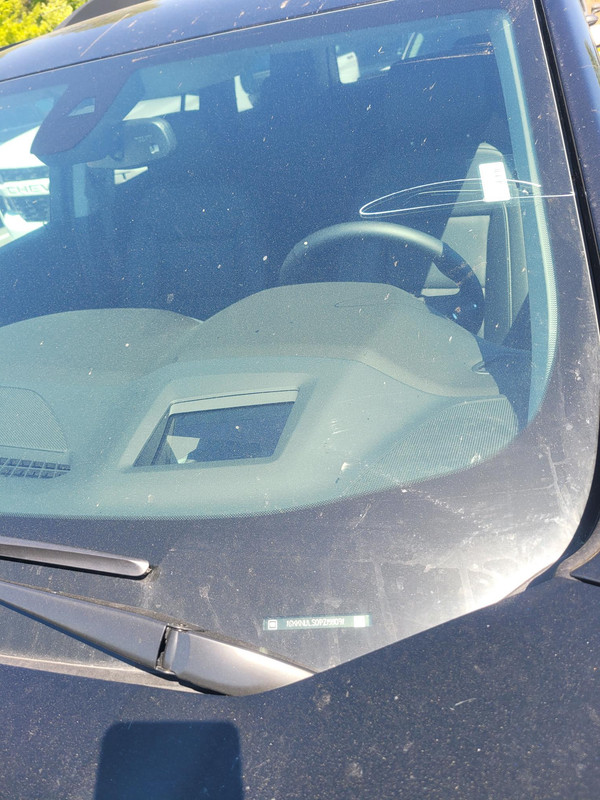
Hurricane season brings pressure differentials and wind-driven rain that exploit tiny gaps. A proper glass job includes clean, seated moldings and even adhesive beads, not just a seal that looks neat at a glance. Ask whether the shop performs a post-install water test or recommends returning the next day for a quick check under rain conditions.
Charleston’s tourist traffic and construction cycles also mean more road debris. For windshield repair Charleston SC drivers who commute over the Don Holt or out toward Summerville, consider applying a hydrophobic windshield treatment after a successful repair. It will not prevent chips, but it improves visibility in sudden downpours and makes wiper chatter less likely on a fresh glass surface. Some shops include it, others offer it as an add-on worth the modest cost.
When to stick with your brand’s dealer
Independent glass specialists handle the majority of work, often at better prices and with faster scheduling. There are cases where the dealer earns its keep. Certain luxury models use bonded trim pieces that crack easily unless removed with brand-specific fixtures. Some systems require factory scan tools to complete calibrations or clear related fault codes. If your car is within warranty and the windshield is tied to camera-based driver aids, a dealer visit can simplify coverage disputes when a calibration hiccup occurs.
That said, many dealers sublet glass work to trusted local shops. You might pay an extra layer for the same team doing the work. Ask the service advisor who will actually do the replacement and calibration. If it is an outside specialist, consider going straight to that shop.
What good aftercare looks like
A competent shop stands behind its work. The warranty should cover defects in materials and workmanship, including leaks around the replaced glass. Calibration reports should be provided on paper or via email, with pre- and post-status for your safety systems. If your dash throws an ADAS fault in the next week, the shop should invite you back promptly for a recheck, not send you to the dealer without a conversation.
If you had an insurance claim, keep copies of the invoice, glass part numbers, and calibration documentation. It streamlines future claims and helps any technician diagnose issues years later. I have solved more than one “mystery noise” by seeing that a windshield without acoustic interlayer was installed during a rushed insurance job. The fix was a swap to the correct glass, not a wild goose chase under the dash.
A realistic path to the right choice
My own process is simple. I search for auto glass Charleston SC providers with calibration capability listed plainly, not buried. I call two or three, ask the VIN-based questions, and listen for how they explain the job I need. If one asks me to text a photo of the damage and the sensor cluster, that is a green light. I auto glass replacement charleston sc prefer shops that do both mobile and in-bay work so they can pivot if weather changes. I confirm the glass spec, adhesive brand, safe drive-away time, and the plan for leak testing. If insurance is involved, I ask whether they are set up with my carrier and whether they can advocate for OEM if justified by features. Small details, big confidence.
When you bring your car in, treat the service like any other professional trade. Share your priorities honestly. If you are noise sensitive, mention it. If your schedule is tight, say so, and ask for a realistic window rather than a hopeful promise. The best shops respect straight talk and offer it back.
Final notes on specific services
- If you are scheduling chip repair Charleston SC style for a fresh rock hit, cover it with clear tape to keep moisture out until your appointment. Do not wash the car first. For rear window replacement Charleston SC jobs after a break-in, ask whether the shop can vacuum the trunk and quarter panels. Tempered shards travel farther than you expect. For side window repair Charleston SC, especially on frameless coupe doors, check that the shop can reset the glass indexing that drops and rises slightly when you open or close the door. That prevents wind noise. If you face insurance auto glass Charleston SC claims after hail or vandalism, document everything with photos, including stickers or toll tags on the original glass. Some require transfer or replacement. If you suspect a slow leak and need glass leak repair Charleston SC testing, schedule it after a rainfall when symptoms are fresh, or ask the shop to conduct a controlled water test and dye check. The faster you find it, the less chance you have of mold setting in carpets and underlayment.
Good auto glass work feels quiet. Doors shut with the same thud you remember. Wipers glide clean. Cameras see exactly what they ought to, and alerts stay silent until you truly need them. Find a shop that aims for that kind of invisible success, and your windshield becomes what it should be, a clear view, nothing more.